INTERPOL’s Operation Serengeti III targeted cybercrime in 21 African countries, recovering over $105 million and identifying 65,929 victims of criminal networks.
INTERPOL-coordinated Operation Serengeti III has resulted in 1,462 arrests, the disruption of 10,909 malicious networks, and the recovery of more than $105 million in illicit funds. The operation targeted cybercrime networks across Africa, with cybersecurity firms Group-IB and Team Cymru providing intelligence to support investigations. Both companies shared details of their contributions with Hackread.com.
Conducted between June 29 and August 31, 2026, the operation involved law enforcement agencies from 21 countries. Investigators identified 65,929 victims and linked criminal activity to financial losses exceeding $385 million.
Fraud and Cryptocurrency Crime Across Africa
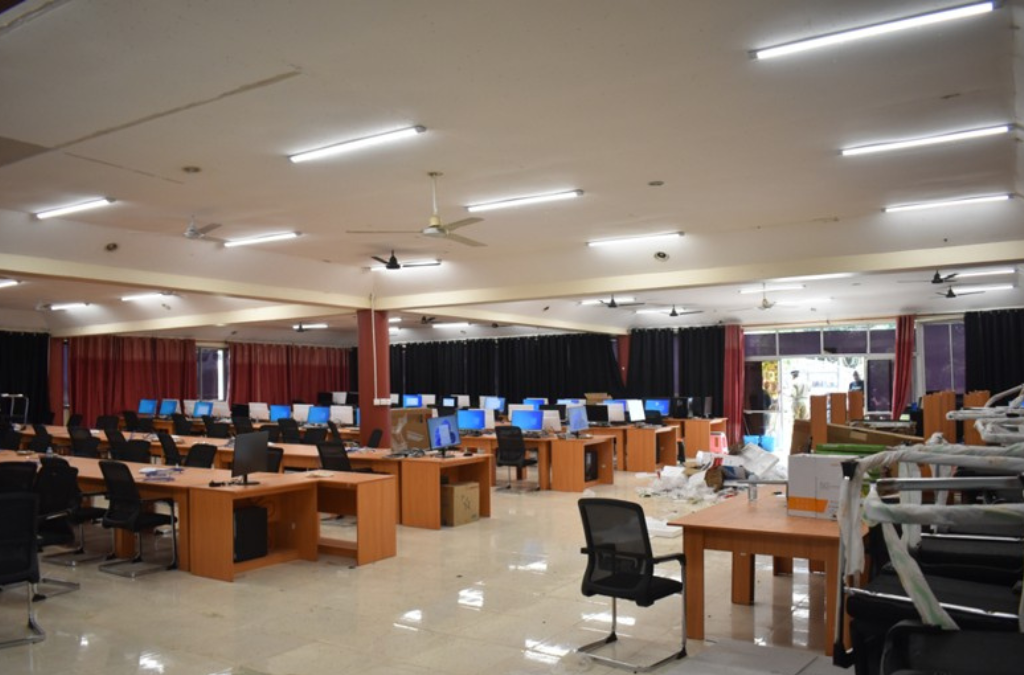
In Uganda, authorities dismantled two transnational fraud rings and arrested 365 foreign nationals linked to investment and pension scams targeting victims in Asia. Investigators uncovered call centers using scripted communications and fake trading platforms.
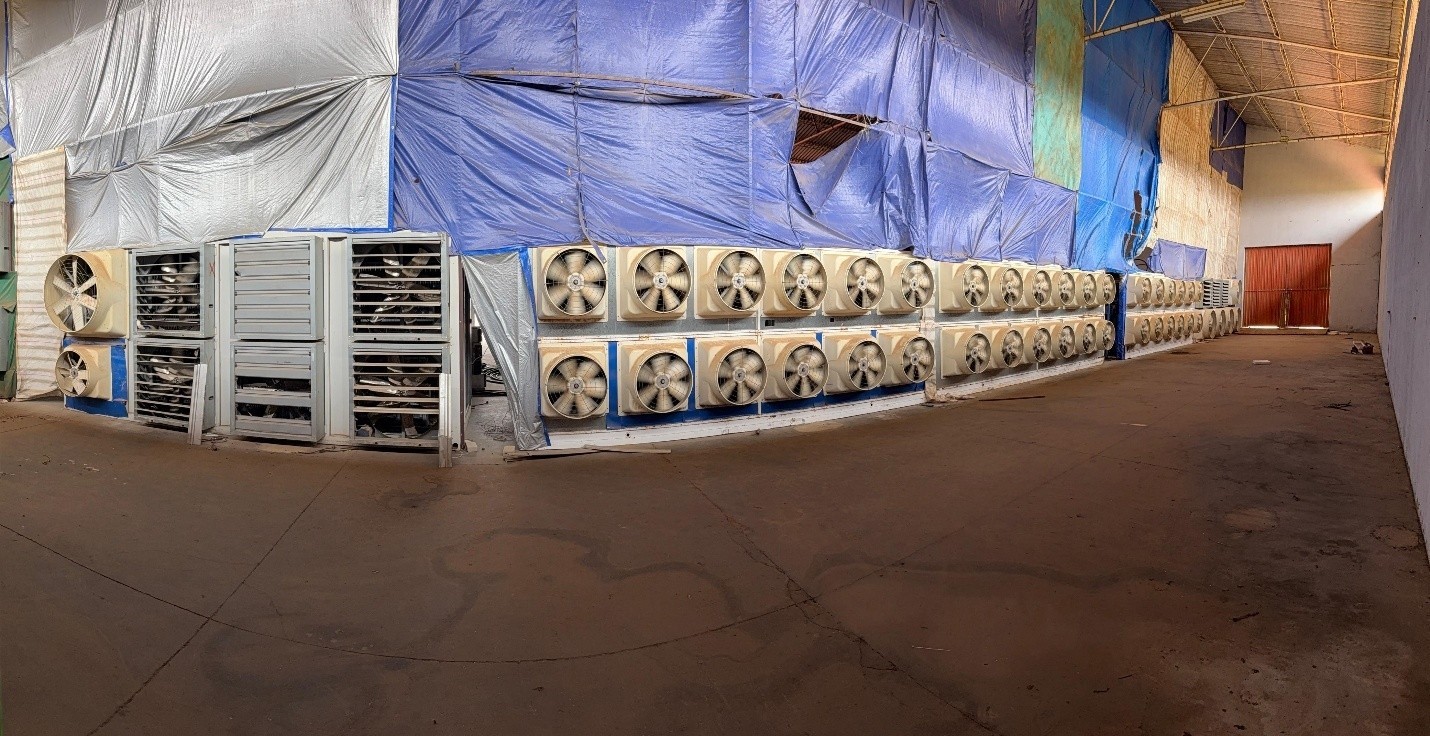
In Angola, authorities dismantled two illegal cryptocurrency mining centers, arrested nine suspects and seized more than 2,000 mining devices and six illegal power transformation stations. The electrical infrastructure alone was valued at over $1 million.
In Nigeria, authorities arrested a suspect linked to a phishing and business email compromise (BEC) operation involving approximately 2.1 million email addresses and harvested software credentials. A separate investigation uncovered more than $2.4 million in suspected criminal proceeds, much of it laundered through cryptocurrency.
Other actions targeted a malicious mobile lending application scheme in Tanzania, a vehicle import fraud network in Gabon and 30 suspects in the Republic of Congo.
Suspected scam call center in Uganda and an illegal cryptocurrency mining facility in Angola (Credit: Interpol)
Group-IB and Team Cymru Contribute Threat Intelligence
According to Group-IB’s press release, it supplied INTERPOL with intelligence on phishing kits, botnets and other malicious resources hosted in Africa or used in attacks targeting the region. It also shared information on suspected fraudsters, including social media accounts linked to their activities.
“Operation Serengeti III demonstrates the importance of sustained cooperation between law enforcement and the private sector,” stated Dmitry Volkov, Group-IB’s CEO, highlighting how threat intelligence and coordinated investigations can help disrupt criminal networks.
Team Cymru contributed intelligence on suspicious domains, IP addresses and command-and-control infrastructure. Its analysis of internet infrastructure helps investigators identify connections between systems and build a broader picture of criminal operations.
“Criminals cannot operate without infrastructure. They have to build it, connect it and maintain it, and those activities create opportunities to find them,” stated Jacomo Piccolini, Team Cymru’s vice president of global data partnerships.
“Operation Serengeti III reinforces a clear message: while cybercrime is increasingly borderless, international cooperation remains one of the most effective tools for disrupting criminal networks, recovering criminal assets and protecting communities from digital harm,” said Neal Jetton, INTERPOL’s director of cybercrime.
Operation Serengeti III also received support from Kaspersky, Fortinet, TrendAI, Uppsala Security, Cybercrime Atlas, Meta, the Global Anti-Scam Alliance and Zimbabwe’s Postal and Telecommunications Regulatory Authority.
The operation builds on INTERPOL’s earlier efforts under the Serengeti initiative. In 2024, the original Operation Serengeti resulted in 1,006 arrests and the dismantling of more than 134,000 malicious infrastructures and networks, as previously reported by Hackread.com. Operation Serengeti 2.0, conducted in 2025, resulted in 1,209 arrests, the disruption of 11,432 malicious networks and the recovery of $97.4 million.
Click Here For The Original Source.
——————————————————–