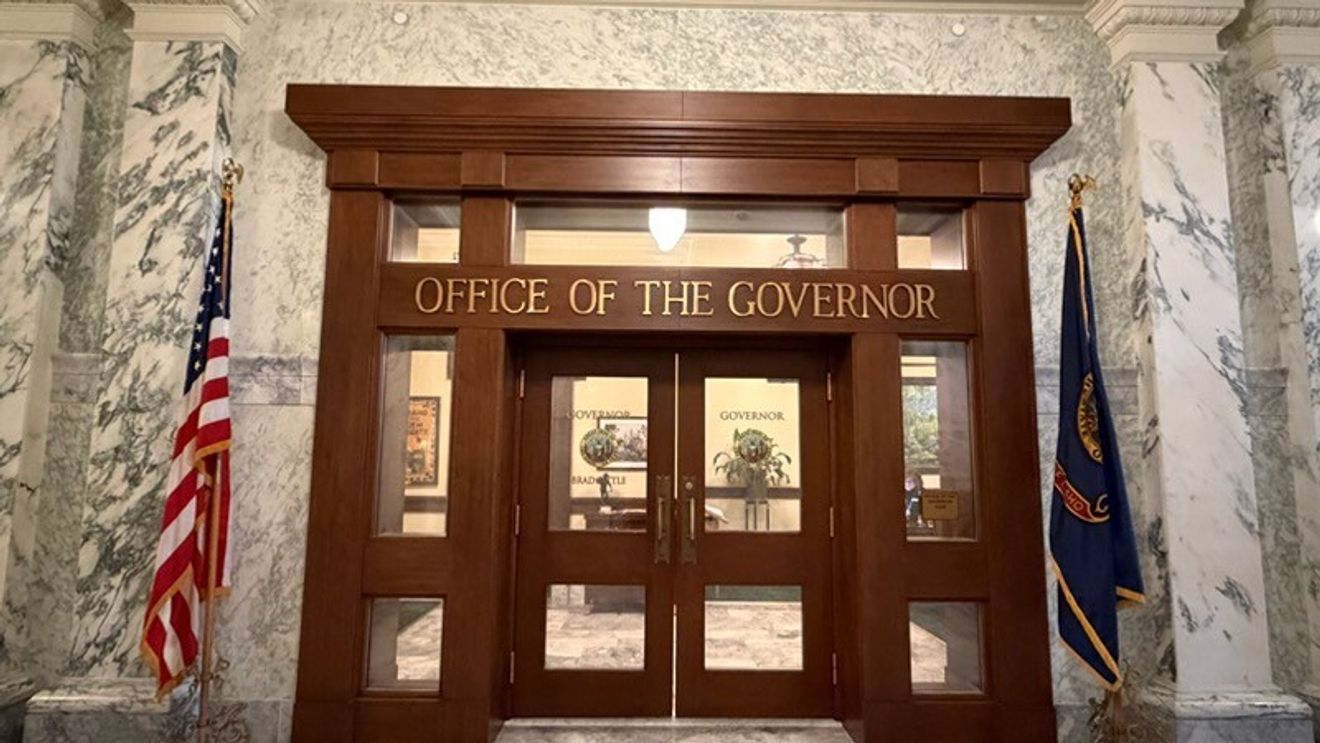
BOISE, Idaho (CBS2) — Gov. Brad Little vetoed five bills Wednesday evening, citing concerns ranging from child safety and state budgeting flexibility to how Idaho handles capital project funds and consumer protections.
One of the vetoes targeted House Bill 758a, which dealt with day care regulations. Little said he vetoed the bill because it threatens child safety, warning it could eliminate licensing and fire inspection requirements for child care providers. He said that in a fire or emergency evacuation, higher ratios and weaker safety requirements would prove catastrophic. Little also said the bill heightens the risk of fraud and abuse by bad actors.
Little also vetoed House Bill 975, which involved the state’s rainy day funds. He said the bill would put an estimated $50 million to $55 million in the Budget Stabilization Fund when the fund is already one of the highest reserve funds in the nation. Little said locking excess funds in reserves limits the state’s ability to respond to emerging needs, sustain core services, and respond to economic shifts.
In his veto message, Little said he is particularly concerned about the state’s ability to pay for the upcoming fire season after the Legislature rejected his and the Land Board’s calls for prefunding the Fire Suppression Fund on an ongoing basis. He said it is very likely the state will not have enough money to pay for this fire season.
House Bill 968, another measure Little vetoed, involved cash transfers. Little said the Legislature appropriated funds from canceled Permanent Building Fund projects and put the money in unrelated accounts. He said Idaho Code requires funding from the Permanent Building Fund on canceled projects to be reappropriated to other priority capital projects. Little also said the bill left no money to pay for a 27th payroll check for state employees in fiscal year 2028, placing the state in a difficult position when those obligations come due.
Little vetoed Senate Bill 1359a, which addressed virtual currency kiosk fraud, saying Idaho’s seniors deserve a law that works. He said the bill contains critical drafting deficiencies that would undermine its own purpose, and he encouraged tighter definitions, clear enforcement standards, and a realistic implementation framework.
Little also vetoed House Bill 674, which involved telecommunication services. He said he vetoed the bill because it gives state authority to the federal government on decisions related to the discontinuance of telecom services.
————————————————